

Great Yarmouth show-biz producer and former Sixties Pop musician Peter Jay is a frequently quoted contributor in the book ‘Love and Fury: The Extraordinary Life, Death and Legacy of Joe Meek,’ published earlier in 2025.
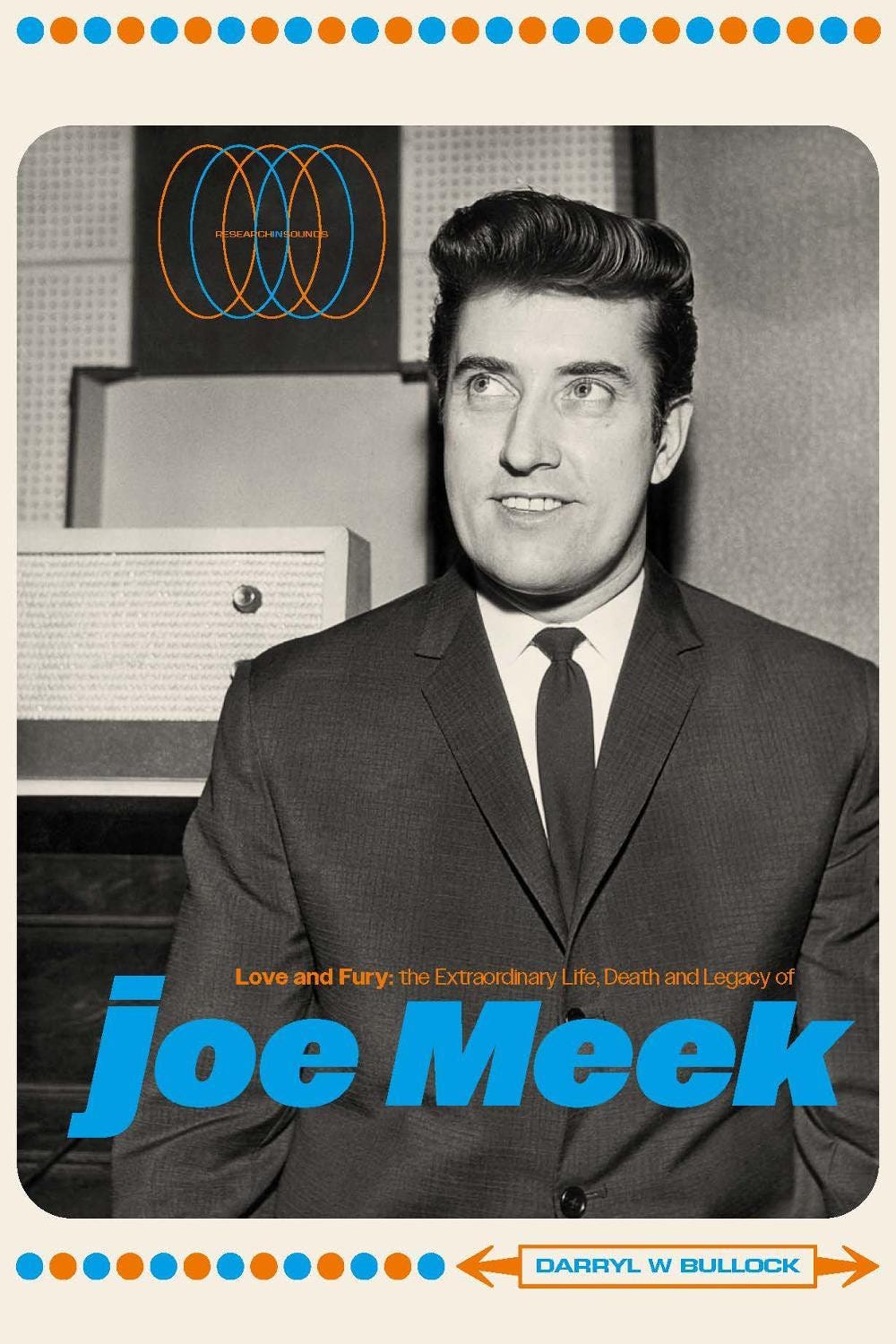
Authored by Darryl W. Bullock, the book documents the recording career of the notorious yet groundbreaking music-producer Joe Meek, whose life has often been presented in film and print retrospectives as troubled, tortured and turbulent, a talented creator of sound, behind some of the biggest hits of the 1960s, but blighted by drug addiction and a secret homosexual life at a time when to be a gay man in Britain was illegal and could lead to a prison sentence. His life was violently cut short in February 1967 aged just 37 when, it’s said, he shot his landlady with a single-barrelled shotgun before turning it on himself, although various rumours and allegations that he was murdered, perhaps in connection to London’s underworld, have persisted over the years.
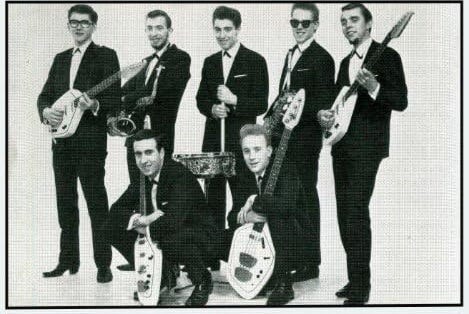
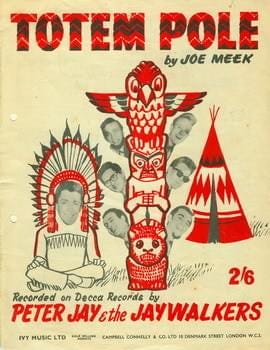
During his short life he wrote and produced the first ever US Number 1 hit single by a British band, 1962’s ‘Telstar’ by the Tornados, as well producing the worldwide chart-topper ‘Have I the Right?’ by The Honeycombs in 1964, and all from a recording-studio he built himself in a flat above a leather-goods shop in London’s busy Holloway Road. Meek was a pioneer in this respect, marking himself down as one of the first ever independent producers, creating his own unique sound without the aid of the big recording companies, and within a home environment which, in today’s digital age, is a norm, but over sixty years ago was almost unheard of. He was also the producer of records by UK Pop artists Mike Berry, and John Leyton including his UK No. 1 single in 1961 ‘Johnny Remember Me.’ Others who recorded for Meek included Billy Fury, Jess Conrad, Screaming Lord Sutch, a pre-fame Tom Jones, and Peter Jay and The Jaywalkers who scored their biggest hit with Meek with the single ‘Can Can ’62,’ which was actually recorded at the studios of their label at the time, ‘Decca.’ Their follow-up single, also produced by Joe, was ‘Totem Pole’ backed up with the track ‘Jaywalker.’
In Bullock’s biography, Peter describes the sights and sounds of Meek’s home set-up. He recalls that, “trying to park outside Holloway Road was a nightmare, but you parked outside this little shop-front and then had to carry all the gear through… You had to go up the stairs to the studio. Once you got up there, there was a very small room, I’d put the drum-kit in there and we’d all squash round, and he had this like two-sided cupboard in the corner full of different things. The floor was knee-deep in tape, and there were wires going straight across. It was amazing when you consider the sound he got out of that… incredible. It was just a small living-room above the shop…” But there was another floor above that where, Peter says, he wasn’t allowed access to, it was where was stored “his secret echo-chamber. We were expecting some big kind of Tesla set-up, and I never actually saw it but it turned out that the echo-chamber, where he had all those fabulous sounds from was just a bathroom, with a speaker on one side and another speaker on the other side – that was it!”
He was witness to Joe’s notorious mood swings that would see the producer erupt into a mad, sometimes violent rage. “He was sort of volatile, I suppose,” Peter recalls. “He was okay when things were going alright, and then if it wasn’t, he would go into a very stroppy, kind of crazy mode… He might have been a bit crackers, but you’d go along with it because we all thought of him as the British Phil Spector really, a genius.”
Love and Fury: The Extraordinary Life, Death and Legacy of Joe Meek by Darryl W. Bullock is available at these outlets:
https://www.amazon.co.uk/Love-Fury-Life-Death-Legacy/dp/1915841240